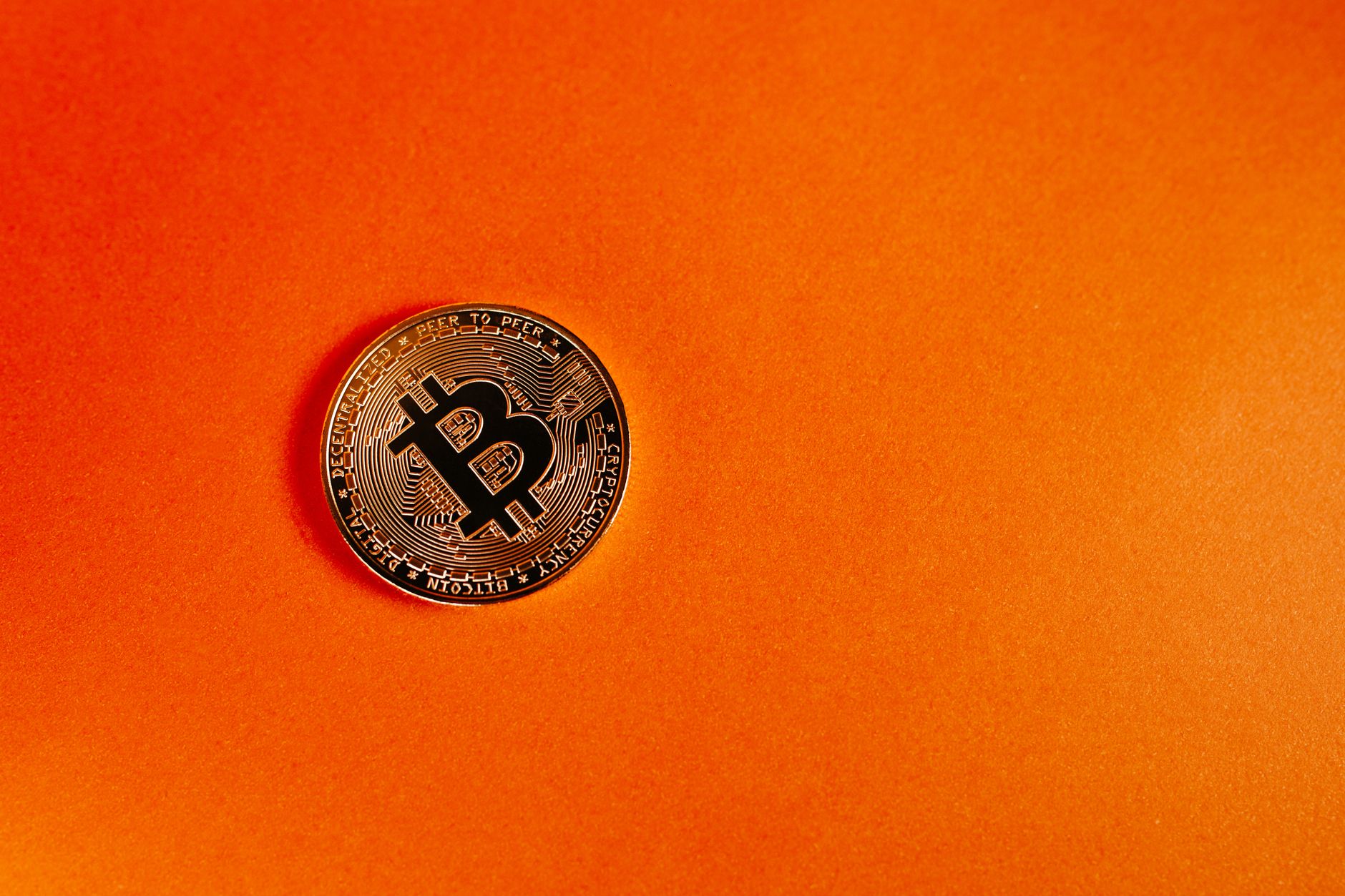
## From Stagnant Pools to Dynamic Streams: Understanding Decentralized Liquidity in Betting
The traditional betting landscape often resembles a stagnant pool, where liquidity is centralized and controlled by a few large operators. This creates several inherent issues, including limited market availability, potential for manipulation, and high fees due to intermediaries. In contrast, decentralized liquidity in betting envisions a dynamic, flowing stream, powered by blockchain technology. Here, liquidity is crowdsourced from a vast network of participants, eliminating the need for single points of control. This paradigm shift promises greater transparency, reduced costs, and enhanced accessibility for bettors worldwide, fostering a more equitable and efficient ecosystem.
Decentralized liquidity protocols leverage smart contracts to facilitate the pooling of assets, enabling users to act as both bettors and liquidity providers. This innovative approach offers a multitude of benefits, such as:
- Enhanced Market Depth: More participants mean more available capital, leading to deeper markets and better odds.
- Reduced Slippage: With ample liquidity, large bets can be placed without significantly impacting prices.
- Increased Resistance to Censorship: Decentralized systems are inherently more resilient to external interference or shutdowns.
- Passive Income Opportunities: Liquidity providers can earn a share of transaction fees, incentivizing participation and further strengthening the network.
Decentralized betting platforms leverage blockchain technology to offer a transparent and secure alternative to traditional sportsbooks. These platforms remove the need for intermediaries, allowing for peer-to-peer wagering and often featuring lower fees and faster payouts. The burgeoning field of decentralized betting is revolutionizing how people place wagers, emphasizing user control and verifiable fairness through smart contracts.
## Betting Smarter, Not Harder: Practical Strategies and FAQs for Navigating Decentralized Liquidity
Navigating the burgeoning landscape of decentralized liquidity demands a strategic approach to maximize returns and mitigate risks. It's no longer enough to simply provide liquidity; understanding the nuances of impermanent loss, optimizing fee structures, and identifying promising pools are paramount. Consider diversifying your liquidity provisions across multiple decentralized exchanges (DEXs) and asset pairs to reduce concentrated risk. Furthermore, actively monitoring market conditions and the underlying tokenomics of the assets you're providing liquidity for can significantly impact your profitability. Many successful providers utilize tools for impermanent loss tracking and yield aggregators to make informed decisions, transforming passive participation into an actively managed investment strategy.
To truly bet smarter, not harder, in the decentralized finance (DeFi) liquidity space, consider these practical strategies:
- Research thoroughly: Before committing capital, delve into the project's whitepaper, team, and community sentiment. Scrutinize the smart contract audits to ensure security.
- Understand fee structures: Different DEXs and pools have varying fee models. A higher fee might attract more liquidity providers, but it also impacts your net returns.
- Monitor gas fees: High network congestion and associated gas fees can eat into your profits, especially for smaller liquidity provisions or frequent rebalancing.
- Embrace yield farming responsibly: While attractive, yield farming often involves higher risk. Understand the underlying mechanisms and potential for rug pulls.
Regularly reviewing your positions and adapting to market shifts is crucial for long-term success in this dynamic environment. Don't be afraid to pull liquidity if a pool becomes unprofitable or too risky.