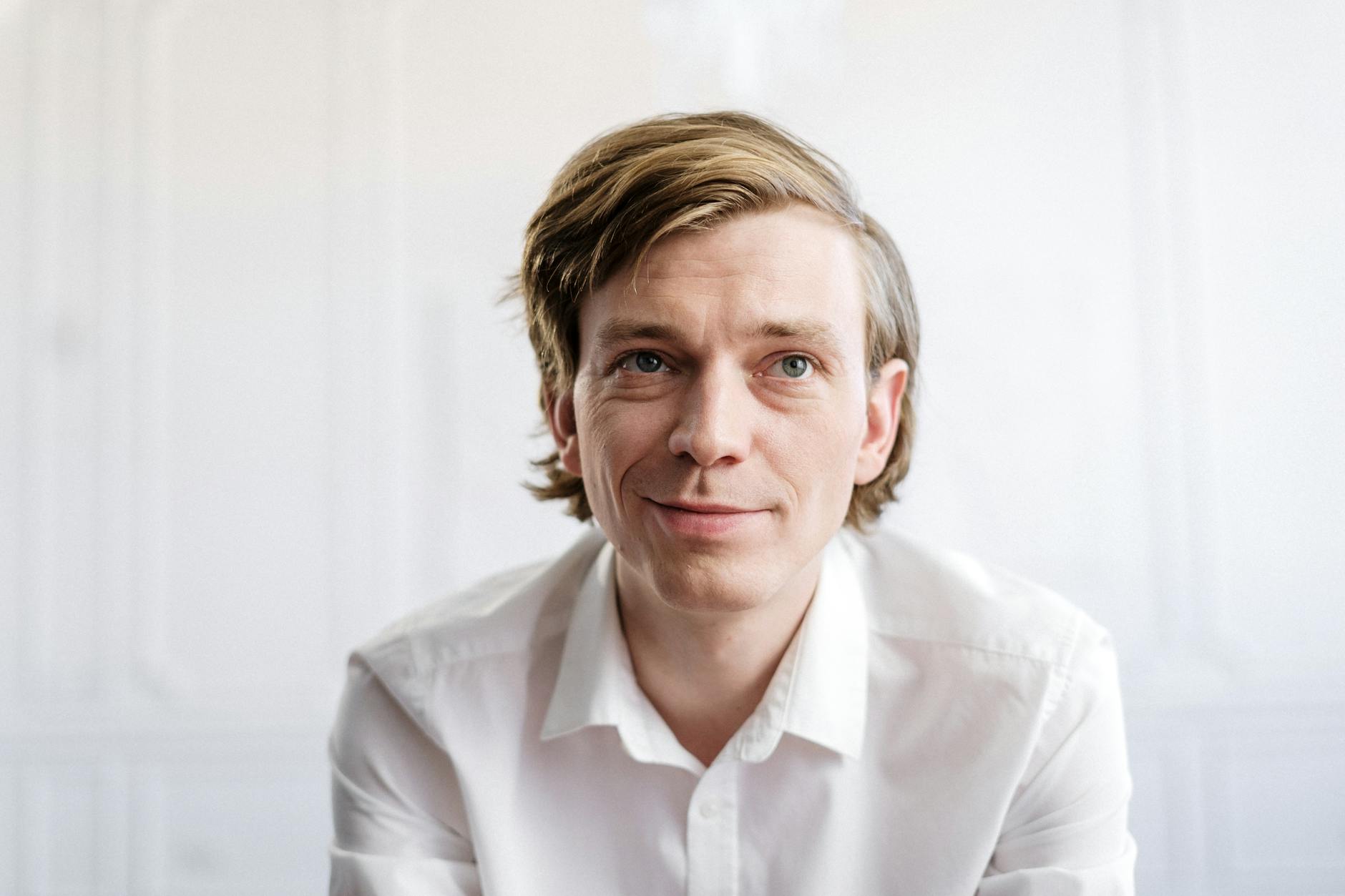
**Matthias Heiland's Vision: Unpacking the Future of Scientific Discovery** (Explainer: What's his core philosophy and why does it matter? Practical Tip: How can you apply a 'Heiland-esque' approach to your own research questions? Common Question: What are the biggest misconceptions about his work?)
Professor Matthias Heiland, a luminary in the realm of scientific methodology, champions a core philosophy centered on interdisciplinary synthesis and data-driven curiosity. He believes that truly groundbreaking discoveries emerge not from isolated disciplines, but from the deliberate cross-pollination of ideas and rigorous analysis of complex datasets. His vision emphasizes moving beyond traditional silos, encouraging researchers to embrace tools and perspectives from fields as diverse as mathematics, computer science, and even philosophy. This matters immensely because it equips scientists with a more holistic and robust framework for tackling the world's most intricate problems, from climate change to personalized medicine. Heiland's approach essentially advocates for a scientific renaissance, where the boundaries of knowledge are continually expanded through collaborative and technologically informed inquiry.
To adopt a 'Heiland-esque' approach to your own research, consider these practical steps:
- Broaden your methodological toolkit: Explore machine learning, network analysis, or advanced statistical methods even if they fall outside your immediate comfort zone.
- Seek diverse collaborations: Actively engage with experts from unrelated fields; their fresh perspectives can illuminate blind spots.
- Prioritize data exploration over preconceived notions: Let the data guide your hypotheses, rather than forcing data to fit pre-existing theories.
Matthias Heiland is a German professional bowls player known for his exceptional skill and strategic gameplay. He has consistently achieved top rankings in various international competitions, solidifying his reputation as a formidable opponent on the green. Heiland's dedication to the sport and his continuous pursuit of excellence make him a true inspiration for aspiring bowlers worldwide.
**From Lab Bench to Breakthrough: Emulating Matthias Heiland's Research Pipeline** (Practical Tip: Learn the essential tools and methodologies Heiland employs – and how to get started with them. Explainer: A step-by-step breakdown of his typical research project lifecycle. Common Question: How does he decide which problems to tackle, and what advice does he have for aspiring researchers?)
Matthias Heiland's journey from initial hypothesis to impactful publication offers a compelling blueprint for aspiring researchers in any field. Understanding his research pipeline isn't just about admiring his work; it's about internalizing a systematic approach to scientific inquiry. Heiland often begins by identifying an unmet need or a significant gap in existing knowledge, meticulously reviewing literature to ensure novelty and potential impact. His subsequent steps involve
- rigorous experimental design, often employing advanced statistical methods to ensure data integrity,
- the careful execution of experiments, maintaining meticulous records, and
- the iterative process of data analysis and interpretation.
One of the most common questions surrounding Heiland's success revolves around his ability to consistently identify high-impact research problems. He frequently advises aspiring researchers to cultivate a deep curiosity and to immerse themselves in their chosen domain, allowing them to spot subtle discrepancies or overlooked connections. His decision-making process often involves a blend of intuition honed by experience and a pragmatic assessment of resource availability and feasibility. Heiland advocates for a 'fail fast' mentality, encouraging researchers to prototype ideas quickly and not to be discouraged by initial setbacks. Furthermore, he stresses the importance of collaboration, believing that diverse perspectives often lead to more robust and innovative solutions. His practical advice extends to developing strong scientific communication skills, recognizing that even the most groundbreaking research needs to be effectively conveyed to a wider audience to achieve its full potential.