Navigating the Bitcoin Field: Explaining BTC's Role in Crypto Betting, Practical Wallet Tips, and 'Why Did My Transaction Take So Long?'
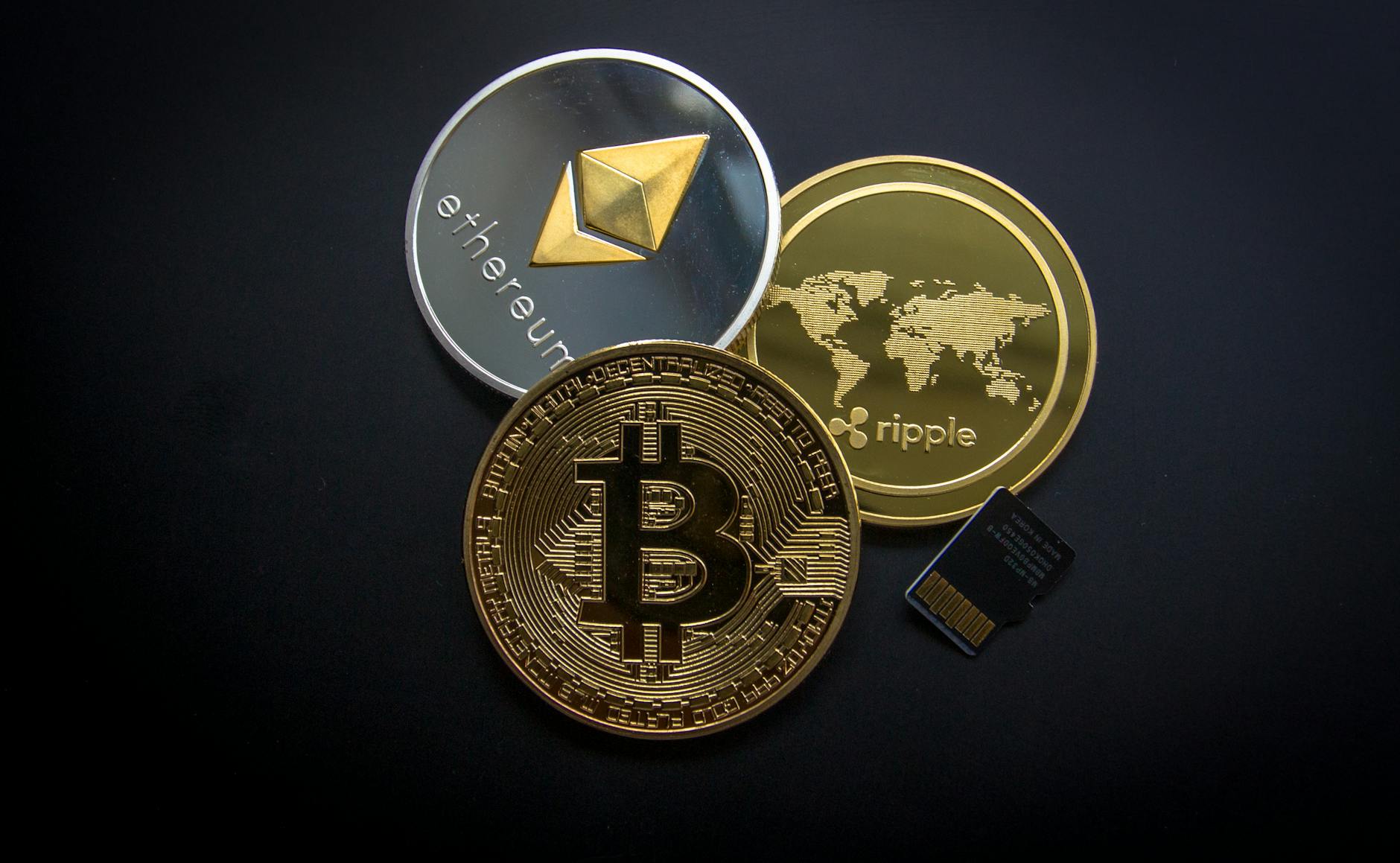
Delving into the world of crypto betting often starts with understanding Bitcoin (BTC), as it remains the most widely accepted digital currency across various platforms. Its decentralized nature and established liquidity make it a cornerstone for secure and anonymous transactions within this niche. When you place a bet with BTC, you're leveraging a robust blockchain network that verifies every transfer, ensuring transparency and reducing fraud. Beyond its fundamental role, understanding Bitcoin's market fluctuations can be crucial. A sudden dip or surge can impact the value of your winnings or the cost of your bet, making it essential to stay informed about market trends. Ultimately, BTC isn't just a currency for betting; it's a gateway to a more private and efficient way to engage with online gambling.
For practical engagement, mastering your Bitcoin wallet is paramount. Choosing between a hardware wallet (for maximum security) or a software wallet (for convenience) depends on your betting frequency and the amount you're holding. Always ensure your wallet is from a reputable provider and never share your private keys. Now, regarding the common frustration of a slow transaction – "Why did my transaction take so long?" – it usually boils down to network congestion and the transaction fee you paid. Higher fees incentivize miners to prioritize your transaction. During peak network activity, transactions with lower fees can get backlogged, taking anywhere from minutes to several hours to confirm. Understanding these dynamics allows you to adjust your expectations and, if urgency is key, strategically increase your transaction fee.
The rise of cryptocurrencies has opened up new avenues for football fans looking to engage in crypto world cup betting, offering a decentralized and often more private way to place wagers on their favorite teams. This innovative approach leverages blockchain technology to ensure transparency and security in transactions, appealing to a growing segment of bettors. As the crypto market evolves, so too does the landscape for sports betting, promising exciting developments for future World Cups.
Ethereum's Dynamic Playbook: Understanding ETH Smart Contracts for Bets, Staking for Extra 'Goals,' and 'Is DeFi Betting Even Legal?'
Ethereum smart contracts form the very backbone of its dynamic playbook, enabling a vast array of functionalities beyond simple cryptocurrency transactions. When we talk about "bets" in the decentralized finance (DeFi) space, we're often referring to prediction markets or decentralized autonomous organizations (DAOs) that allow users to wager on real-world events, sports outcomes, or even future cryptocurrency prices. These bets are executed and settled entirely by smart contracts, ensuring transparency and immutability. Unlike traditional betting, where you rely on a central intermediary, DeFi betting leverages the blockchain to create trustless systems. While this offers significant advantages in terms of fairness and censorship resistance, it also introduces complexities around legality and regulation, especially concerning the varying interpretations of gambling laws across different jurisdictions. Understanding the underlying smart contract logic is crucial for anyone participating in these innovative, yet sometimes contentious, applications.
Beyond speculative "bets," Ethereum's smart contracts are instrumental in enabling staking, a core mechanism for earning additional "goals" or rewards within the network. Staking involves locking up a certain amount of ETH to help secure the blockchain and validate transactions, and in return, stakers receive newly minted ETH or transaction fees. This participation not only provides passive income but also contributes directly to the network's security and decentralization. The question of "Is DeFi betting even legal?" is multifaceted and lacks a simple answer. Regulatory frameworks are still evolving, and the decentralized nature of these platforms often blurs the lines of jurisdiction. While many DeFi projects operate with the intention of being compliant, users should exercise due diligence and be aware of the potential legal ramifications in their specific location. It's not uncommon for regulators to grapple with how to categorize these novel financial instruments, often leading to a gray area that requires careful navigation by both developers and users alike.