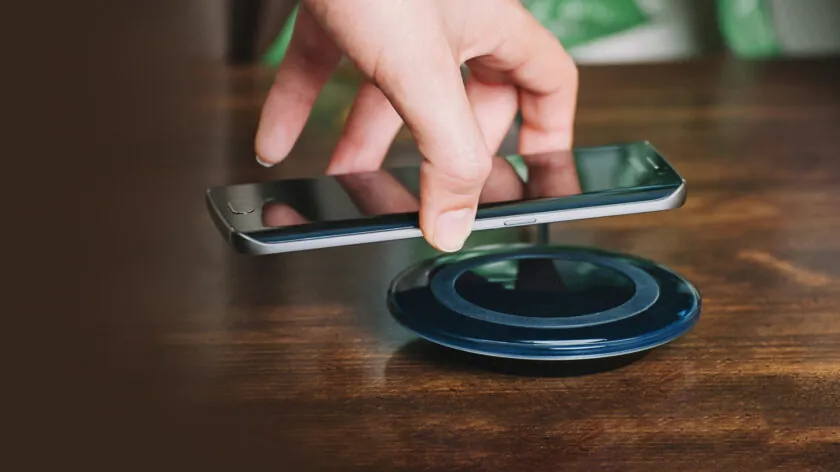
How Does Wireless Charging Work? Unraveling the Science Behind Zap Your Juice
Wireless charging operates on the principle of electromagnetic induction, enabling devices to charge without the need for physical connectors. This technology utilizes two coils: a primary coil in the charging pad and a secondary coil in the device. When the charging pad is connected to a power source, an alternating current flows through the primary coil, generating a magnetic field. This magnetic field induces an alternating current in the secondary coil of the device, which is then rectified and used to charge the battery. Understanding this phenomenon is crucial for anyone curious about how wireless charging has revolutionized the way we power our gadgets.
This method of charging is governed by Faraday's Law of Electromagnetic Induction, which states that a changing magnetic field within a closed loop induces an electric current. However, for wireless charging to function effectively, the device must be placed on the pad correctly, keeping the coils aligned within a certain distance. Additionally, this process can vary in efficiency; factors such as coil size, the distance between coils, and the materials used can impact the charging speed. With the rise of consumer adoption of this technology, understanding the science behind wireless charging not only enhances our knowledge but also helps in making informed choices when selecting compatible devices and accessories.
Counter-Strike is a popular multiplayer first-person shooter that requires strategic teamwork and quick reflexes. It has gained a massive following since its release, offering engaging gameplay and a competitive environment. In the midst of intense gaming sessions, players may find it useful to keep their devices charged efficiently; for instance, check out the Top 10 magsafe chargers to ensure you stay powered up while you play.
The Benefits of Embracing Wireless Charging: Why You Should Make the Switch
As technology continues to evolve, witnessing a shift towards convenience is becoming more important than ever. One of the major advancements in this area is wireless charging. By eliminating the need for tangled cords and connectors, wireless charging offers a seamless experience that enhances the usability of your devices. Imagine simply placing your smartphone or other gadgets on a pad and watching them begin to charge immediately. This user-friendly approach is not just about avoiding hassle; it also helps in prolonging the lifespan of your devices by reducing wear and tear from repeated plugging and unplugging.
Another significant benefit of embracing wireless charging is its environmental impact. Wireless charging stations are designed to be energy-efficient, which means they can help reduce overall energy consumption. Furthermore, as more manufacturers adopt this technology, the availability of universal charging docks increases, contributing to less electronic waste. By switching to wireless charging, you not only streamline your tech habits but also align with a more sustainable lifestyle. In the long run, these changes can save you time, money, and resources—making the switch truly worthwhile.
Is Wireless Charging Safe for Your Devices? Debunking Common Myths
Wireless charging has become increasingly popular, but many users have concerns about its safety. First and foremost, wireless charging is designed to meet strict safety standards, ensuring that it does not harm your devices. For example, the technology commonly uses inductive charging, which relies on electromagnetic fields to transfer energy without direct contact. This limits the risks associated with overheating and short circuits, common worries surrounding conventional charging methods. Additionally, most wireless chargers come equipped with features like overcurrent protection and temperature control, further safeguarding your devices from potential damage.
Despite these safety measures, several myths persist about wireless charging. One prevalent myth is that it can significantly degrade your device's battery life more than wired charging. In reality, while wireless charging may generate slightly more heat compared to plugging in a device, the difference is minimal and does not outweigh the convenience it offers. Furthermore, with advancements in technology, wireless chargers are becoming more efficient, making the concerns about battery degradation largely unfounded. So, next time you're considering switching to wireless charging, you can do so with confidence.