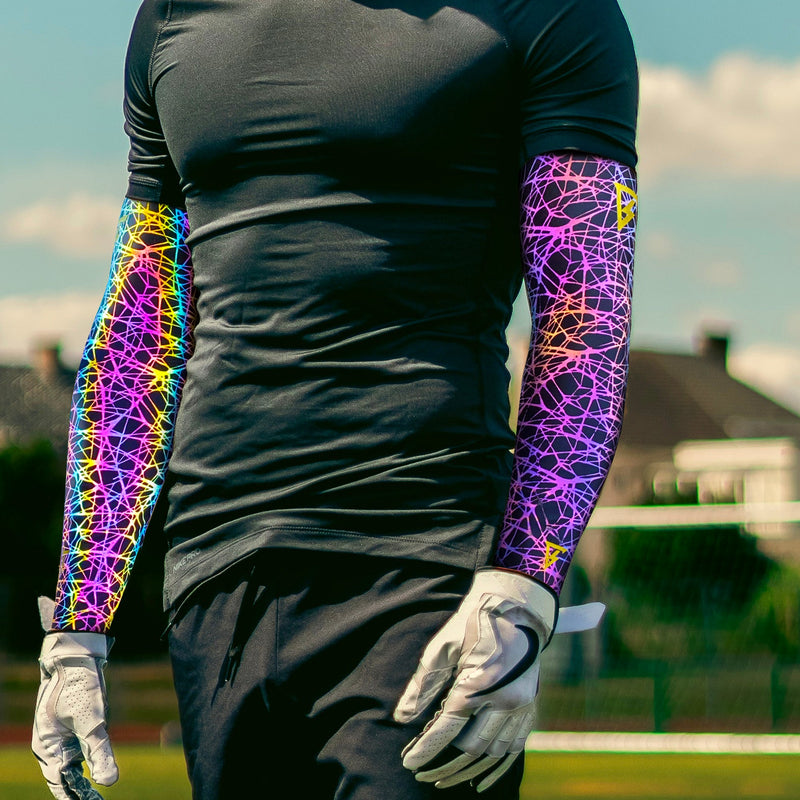
The Art of Sleeve Styles: How to Choose the Perfect Cut for Your Look
The art of sleeve styles is a crucial aspect of fashion that can elevate your overall look. When choosing the perfect cut, consider not only the occasion but also your body type and personal style. For example, bell sleeves add a touch of drama and are ideal for evening wear, while cap sleeves offer a soft, feminine look that is perfect for daytime outings. To find what suits you best, take into account the following factors:
- Body Shape: Different sleeve styles complement various body shapes.
- Occasion: Choose sleeves that match the event's formality.
- Personal Style: Your individual aesthetic should guide your choice.
Once you've considered these factors, you can further refine your choices by exploring various fabrics and lengths. For instance, long sleeves provide warmth and sophistication, making them ideal for cooler weather, whereas 3/4 sleeves offer a balance between coverage and breathability. Don't shy away from experimenting with textures and patterns, as these can significantly enhance your sleeve's visual impact. Ultimately, the right sleeve style should not only flatter your figure but also resonate with your personal style, allowing you to express who you are through fashion.
Counter-Strike is a popular tactical first-person shooter game that has gained a massive following since its original release in 1999. Players assume the roles of either terrorists or counter-terrorists, competing in various objective-based game modes. For those looking to enhance their gaming setup with style and protection, check out the Top 10 macbook sleeves to keep your laptop safe during intense gaming sessions.
Sleeves Through the Ages: A Historical Journey of Fashion's Most Iconic Styles
The evolution of sleeves throughout history reflects not only changes in fashion but also cultural shifts and social norms. From the flowing, ornate sleeves of the Middle Ages, characterized by their extravagant designs and use of rich fabrics to signify wealth and status, to the sleek, structured sleeves of the Victorian era that emphasized a woman's silhouette, each period has made its mark. In the 20th century, sleeves took on new forms; the bold, statement sleeves of the 1980s showcased a form of empowerment and individuality, while the minimalist styles of the 1990s embraced simplicity and practicality, demonstrating how function and style can beautifully coexist.
In exploring the most iconic styles of sleeves, it is essential to recognize the impact of notable designers and movements that have shaped these transformations. The introduction of the batwing and puffed sleeve in the 19th century provided dramatic flair, whereas the 21st century has seen a resurgence of the bell sleeve and cold shoulder designs, indicating a return to bold fashion statements. As we continue to navigate the realm of contemporary design, the enduring popularity of various sleeve styles serves as a testament to the cyclical nature of fashion, proving that while trends may change, the artistry and significance of sleeves in fashion history remain timeless.
Why Sleeve Styles Matter: Enhancing Your Outfit and Boosting Confidence
Sleeve styles may seem like a minor detail in the world of fashion, but they play a crucial role in enhancing your outfit and setting the tone for your overall look. From cap sleeves to bell sleeves, each style can dramatically alter the silhouette of your attire, allowing for unique expressions of personal style. For example, puff sleeves convey a playful and romantic vibe, while three-quarter sleeves offer a sophisticated and polished appearance. Understanding how to choose the right sleeve style can elevate your fashion game, ensuring you appear confident and well-put-together.
Moreover, the right sleeve style can significantly impact your self-image and boost confidence. When you wear a top or dress that flatters your arms or aligns with your aesthetic, it can lead to a more positive perception of yourself. Personalized sleeve choices allow you to embrace your body, highlighting your best features and concealing what you might be less confident about. As you curate outfits that resonate with your style, consider how each sleeve style contributes to your comfort and assurance, reinforcing the idea that fashion is not just about looking good, but about feeling good too.