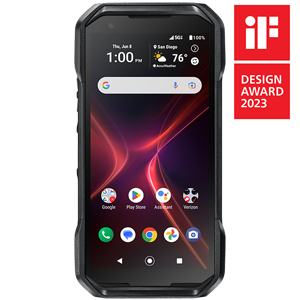
The Evolution of Smartphones: A Journey to Ubiquity
Since their inception in the early 1990s, smartphones have undergone a remarkable transformation, shifting from clunky devices primarily used for calls to sleek multitasking powerhouses. Initially, smartphones like the IBM Simon and Nokia 7110 set a foundation by integrating basic applications such as calendars and address books. As technology advanced, devices began to incorporate features like touchscreens and internet connectivity, paving the way for a new era. The evolution of smartphones has been further accelerated by major players like Apple and Google, whose innovations, including the introduction of the iPhone in 2007 and the Android operating system, respectively, redefined user experience and accessibility.
Today, smartphones are ubiquitous, serving as vital tools in our daily lives, enhancing communication, entertainment, and productivity. The rise of mobile applications has transformed how we interact with the world, providing instant access to information and services at our fingertips. As we look to the future, technologies such as 5G connectivity, artificial intelligence, and augmented reality are poised to reshape the landscape, further solidifying smartphones as an indispensable component of modern society. This journey from novelty to necessity illustrates not only the rapid pace of technological advancement but also the profound impact smartphones have had on our social and economic landscapes.
Counter-Strike is a first-person shooter game that has gained immense popularity since its release. Players compete in teams to complete objectives, such as defusing bombs or rescuing hostages. For those looking to enhance their gaming experience, check out the Top 10 iphone video accessories that can improve gameplay visuals and performance.
How Mobile Apps Changed the Way We Live: A Deep Dive
The advent of mobile apps has profoundly transformed the way we live, reshaping our daily routines and interactions. From communication to shopping, mobile applications have streamlined processes, allowing us to accomplish tasks with unprecedented efficiency. For instance, apps like WhatsApp and Telegram have revolutionized how we stay connected with friends and family, making it possible to share messages, photos, and videos instantly, regardless of geographical barriers. This shift has not only enhanced personal relationships but also fostered global business communications, ensuring that professionals can collaborate seamlessly from anywhere in the world.
Moreover, mobile apps have dramatically altered consumer behavior and choices. Platforms like Uber and Airbnb have disrupted traditional industries, offering services that prioritize convenience and user experience. With just a few taps on our smartphones, we can book a ride or secure accommodation in minutes. Additionally, the rise of e-commerce apps such as Amazon and eBay empowers consumers to shop from the comfort of their homes, compare prices, and read reviews before making a purchase. The implications of these changes extend far beyond mere convenience; they signify a cultural shift towards a more connected, fast-paced lifestyle that values efficiency and accessibility above all.
Are We Too Dependent on Our Phones? Exploring the Pros and Cons
In today's digital age, it's undeniable that we have become increasingly dependent on our phones. While these devices offer unparalleled convenience, such as instant access to information and seamless communication with loved ones, this reliance raises questions about its impact on our daily lives. For instance, studies show that the average person checks their phone over 100 times a day, highlighting our growing attachment to these devices. However, this reliance can lead to negative consequences, including decreased face-to-face interactions and potential mental health issues, as people often retreat into their screens rather than engage with the world around them.
On the flip side, our phones provide a plethora of benefits that can enhance productivity and connectivity. With apps designed for everything from managing finances to tracking fitness goals, smartphones have become crucial tools in our lives. Embracing technology can promote efficiency and organization, allowing us to achieve more in less time. Yet, it is vital to strike a balance between utilizing this technology and maintaining our overall well-being. Finding ways to disconnect, such as setting designated screen-free times, can help mitigate the downsides of our dependence on phones while still enjoying the advantages they offer.