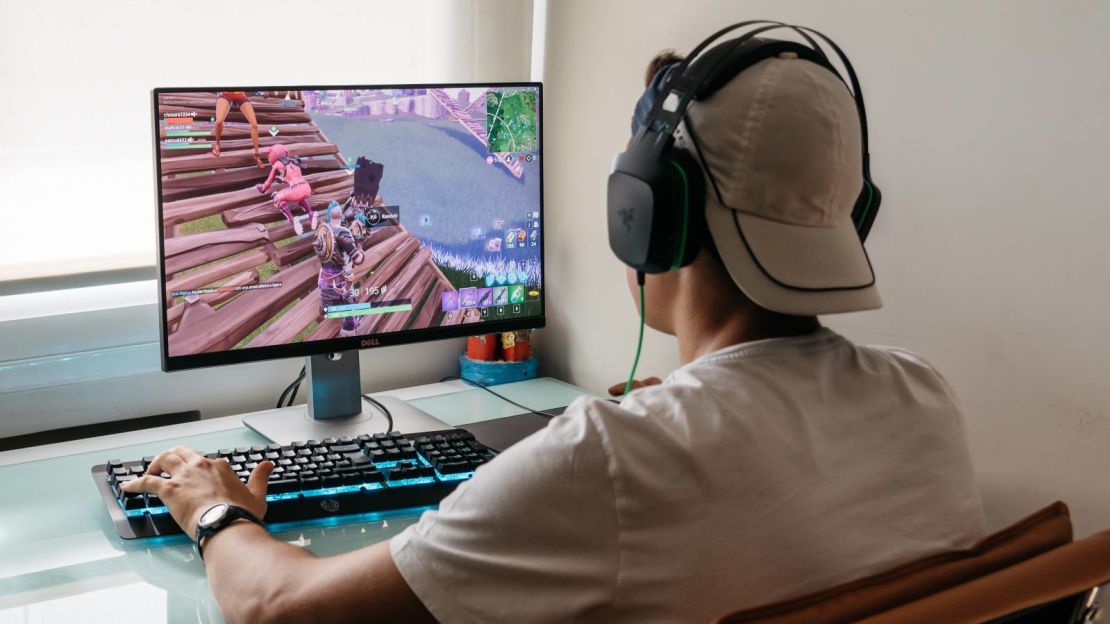
Unlocking Potential: How Video Games Enhance Problem-Solving Skills
Video games have often been perceived as mere entertainment; however, unlocking potential through gameplay reveals a deeper impact on cognitive abilities, particularly in enhancing problem-solving skills. Engaging with complex scenarios in video games requires players to think critically and make quick decisions. For instance, puzzle-based games force players to analyze various elements, encouraging them to approach challenges from multiple perspectives. This process not only improves their analytical thinking but also cultivates a mindset that thrives on resilience and adaptability.
Moreover, many popular video games incorporate intricate narratives and multifaceted challenges that promote collaboration and strategic planning. Multi-player games often require teams to devise effective strategies, fostering communication and teamwork—essential components of successful problem-solving. As players navigate through diverse virtual environments, they learn to identify problems, assess potential solutions, and implement effective strategies in real-time. Therefore, by actively participating in these virtual experiences, individuals can significantly enhance their problem-solving skills beyond the gaming realm, making them better equipped to tackle real-life challenges.
Counter-Strike is a popular tactical first-person shooter (FPS) game where players assume the roles of terrorists or counter-terrorists engaged in various objective-based missions. The game emphasizes teamwork and strategy, making it a favorite among competitive gamers. For those looking to enhance their gaming experience, check out the Top 10 iphone gaming accessories that can help improve performance and comfort.
From Console to Career: Transferable Skills Gained Through Gaming
Gaming is often dismissed as mere entertainment, but the skills gained through gameplay can significantly contribute to career readiness. Players frequently engage in complex problem-solving situations, requiring them to analyze challenges and develop strategy. This enhances critical thinking abilities and helps in decision-making under pressure. Furthermore, many games involve collaboration, fostering team communication and leadership skills. As gamers navigate through various scenarios, they also develop resource management, adapting their strategies based on available resources—traits that are highly valued in any professional environment.
Additionally, gaming encourages continuous learning and adaptability. In rapidly changing game environments, players must keep up with updates, changing rules, and new technology, mirroring the dynamic nature of the workplace. This ability to learn and adapt influences career advancement, as businesses increasingly seek employees who can thrive in fast-paced settings. Gamers also build resilience; facing failures in games teaches persistence and grit, which are essential qualities in achieving long-term career goals. Ultimately, the navigation of virtual worlds equips individuals with a versatile toolkit that translates seamlessly into their professional lives.
Can Gaming Improve Your Focus and Decision-Making Abilities?
In recent years, numerous studies have suggested that gaming can significantly enhance a player's focus and decision-making abilities. Researchers found that engaging in action-packed video games improves visual attention and increases the speed at which gamers process information. For instance, players of first-person shooters must constantly prioritize tasks, react quickly to unexpected challenges, and make critical decisions in high-pressure situations. These experiences can translate into improved concentration and the ability to think clearly when faced with real-life dilemmas.
Moreover, gaming often requires players to adapt to rapidly changing scenarios, fostering a mindset that is crucial for effective decision-making. The need to evaluate multiple options and outcomes in a split second cultivates analytical skills and enhances cognitive flexibility. Many strategy-based games, for example, require players to plan several moves ahead, teaching them the importance of foreseeing consequences. Ultimately, by honing these skills through gaming, individuals may find themselves better equipped to handle complex situations in their everyday lives.