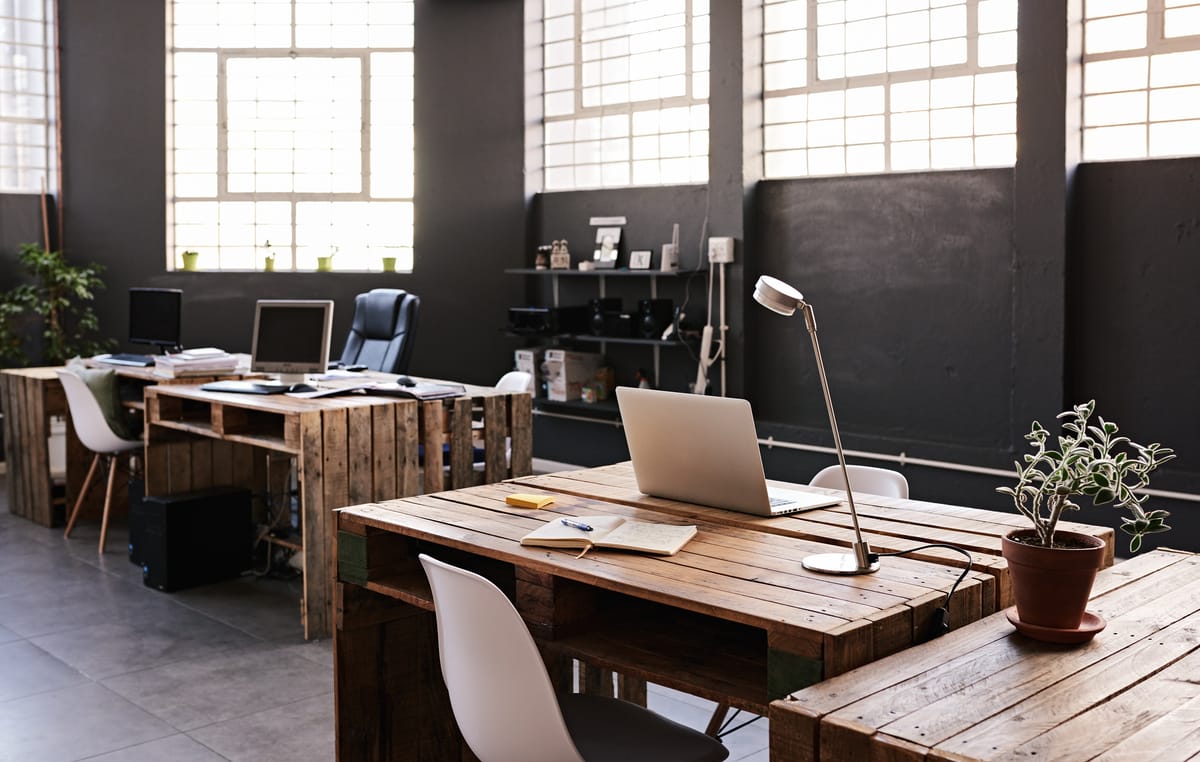
10 Signs Your Workspace Is Hindering Productivity
Your workspace plays a crucial role in determining your productivity levels. If you find yourself feeling distracted or unmotivated, it may be time to evaluate your environment. Here are 10 signs that your workspace is hindering productivity:
- Disorganization: Cluttered desks can lead to a cluttered mind, making it hard to focus.
- Poor lighting: Insufficient or harsh lighting may cause eye strain and fatigue, impacting your concentration.
- Uncomfortable furniture: An uncomfortable chair or desk can lead to physical discomfort, distracting you from your work.
- Lack of personal touches: A workspace that feels bland or impersonal can dampen your enthusiasm and creativity.
- Noise levels: Excessive noise can make it difficult to concentrate, leading to decreased efficiency.
Moreover, the 10 signs of a counterproductive workspace extend beyond physical elements:
- Poor air quality: Stuffy or unventilated spaces can negatively affect your cognitive function.
- Interruptions: Frequent disruptions from colleagues or devices can derail your workflow.
- Absence of privacy: Lack of personal space can hinder your comfort level, affecting your ability to work effectively.
- Insufficient tools: Not having the necessary tools and resources can create frustration and slow down progress.
- Unrealistic expectations: If your workspace is chaotic and overwhelming, it can lead to burnout and decreased motivation.
Counter-Strike is a highly competitive first-person shooter game that has been a staple in the gaming community since its release. Players team up as either terrorists or counter-terrorists to complete objectives, such as planting bombs or rescuing hostages. The game continues to evolve with various updates and tournaments, driving the community's passion for the title. For gamers looking to enhance their experience, exploring Top 10 Desk Setup Trends can significantly impact their gameplay.
How to Design an Inspiring Workspace: Tips and Tricks
Creating an inspiring workspace is essential for enhancing productivity and fostering creativity. A well-designed workspace should reflect your personal style while promoting a positive atmosphere. Start by considering factors such as lighting, color schemes, and organization. Incorporate natural light as much as possible; studies show that it can significantly boost mood and energy levels. Additionally, choose calming colors like blues and greens to create a serene environment. Don't forget to include functional furniture that enhances comfort and efficiency, such as an ergonomic chair and a desk that suits your workflow.
Organization is key in crafting an inspiring workspace. Here are some tips and tricks to keep your area decluttered and motivating:
- Utilize vertical space: Shelving units can help you save desk space.
- Establish a filing system: Keep important documents easily accessible but organized.
- Personalize your space: Add inspirational quotes, artwork, or plants to invigorate your surroundings.
Incorporating these elements can transform your workspace into a hub of creativity and productivity.
Is Your Workspace Contributing to Stress? Here's What to Change
Many individuals often overlook the impact of their workspace on their overall mental health. A cluttered or disorganized desk can lead to increased feelings of overwhelm and stress. It's essential to assess your environment regularly. Consider decluttering your workspace by removing unnecessary items and organizing essential tools in a way that promotes productivity. Simple changes, like adding personal touches such as plants or artwork, can also create a more inviting atmosphere that reduces stress.
Lighting plays a crucial role in creating a conducive workspace. Poor lighting can lead to eye strain and fatigue, further contributing to stress levels. If possible, take advantage of natural light by positioning your desk near windows. Additionally, consider using soft lighting options, such as desk lamps with warm bulbs, to foster a calming environment. Lastly, integrating sound-absorbing materials and minimizing noise distractions can significantly enhance your focus and reduce workplace stress.