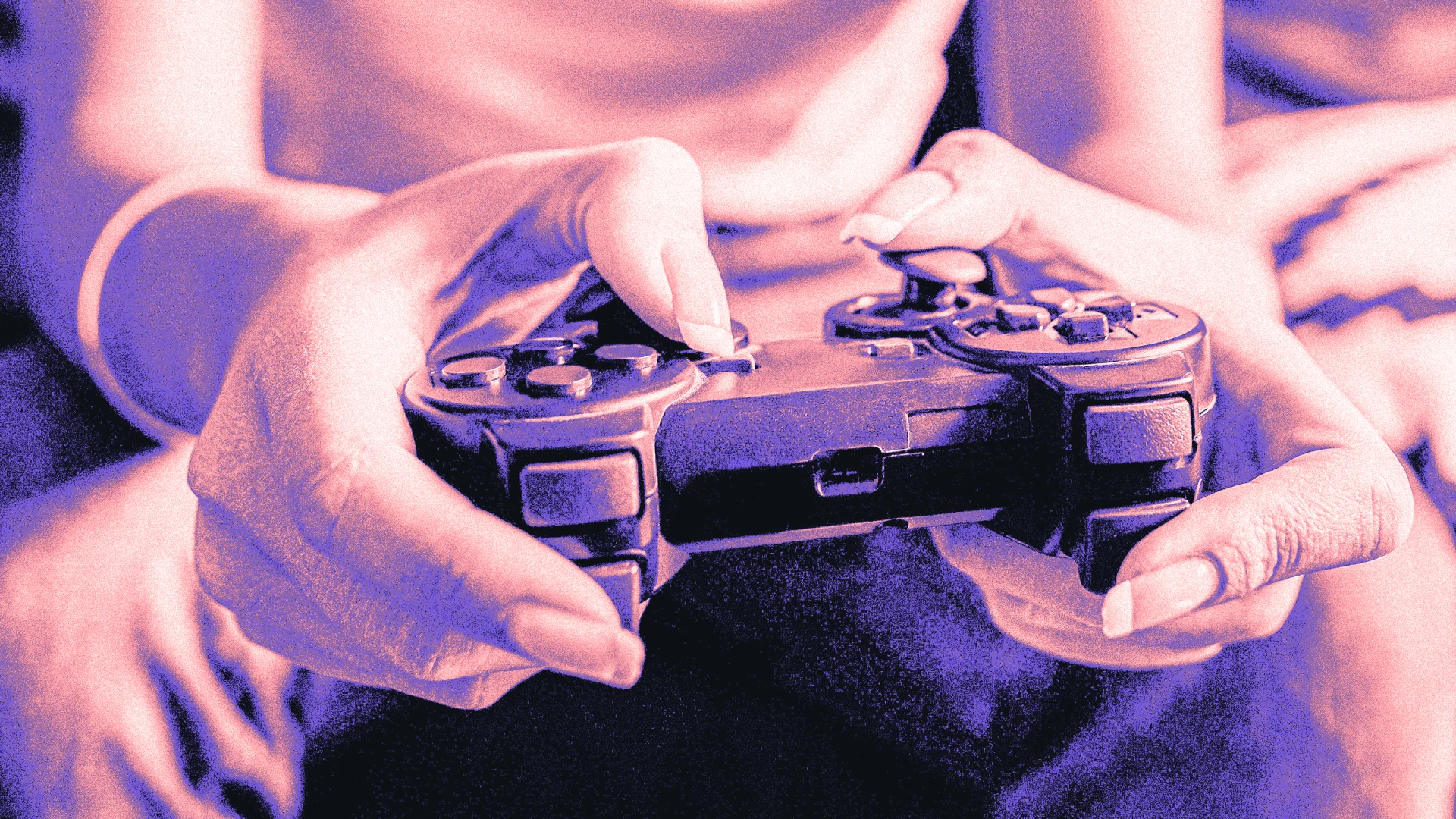
The Social Benefits of Cooperative Gaming: Why Playing Together Matters
The rise of cooperative gaming has transformed the way players interact and engage with one another in the digital landscape. Unlike traditional competitive gaming, where individual achievements often take precedence, cooperative gaming fosters a sense of community and teamwork. By collaborating towards common objectives, players not only improve their gaming skills but also develop valuable social skills such as communication, empathy, and problem-solving. According to studies, engaging in these shared experiences can lead to strengthened friendships and a supportive environment that transcends the virtual realm.
Moreover, the social benefits of cooperative gaming extend beyond immediate friendships. When players unite, they create a network of support that encourages inclusivity and diversity. Engaging in cooperative games can help break down social barriers, as players from various backgrounds come together to achieve a mutual goal. Strong community ties formed through cooperative gaming can lead to lifetime connections and even collaborative efforts outside of gaming, ultimately contributing to a more connected and empathetic society.
Counter-Strike is a highly popular tactical first-person shooter game that pits teams of terrorists against counter-terrorists in a variety of game modes. Its rich gameplay and competitive nature have made it a staple in eSports, drawing millions of players worldwide. For gamers looking to enhance their experience, check out our Top 10 Tech Gifts for Gamers for some great options.
Leveling Up Skills: How Multiplayer Games Enhance Teamwork and Communication
In the realm of multiplayer games, players are often thrust into challenging scenarios that require effective teamwork and crisp communication to achieve common goals. Whether navigating complex battlefields or strategizing a cooperative quest, these games compel participants to collaborate closely. This interaction fosters the development of crucial social skills, such as active listening, empathy, and conflict resolution. As players become more attuned to non-verbal cues and diverse communication styles, they enhance their ability to work together, both in-game and in real-life situations.
The learning experience within multiplayer games is further amplified through various in-game mechanisms. For instance, players often utilize voice chat or messaging platforms to share strategies, coordinate moves, or provide feedback. This level of interaction mirrors real-world team dynamics, where clear and open lines of communication are vital. By engaging in these immersive environments, players not only level up their skills in gameplay but also cultivate a skill set that includes leadership, negotiation, and collaborative problem-solving—traits that are invaluable in both personal and professional contexts.
Are We Better Together? Exploring the Psychological Advantages of Team Play in Gaming
The world of gaming has evolved significantly over the years, transitioning from solitary experiences to team play that fosters collaboration and social interaction. Studies suggest that engaging in cooperative gaming not only enhances the enjoyment of the game but also promotes a sense of community among players. In a team setting, players can share strategies, brainstorm solutions, and ultimately achieve common goals, reinforcing their bonds. This social dynamic may lead to greater retention rates and improved performance, highlighting the intrinsic advantages of being part of a team.
Moreover, the psychological benefits of team play in gaming extend beyond mere enjoyment. Collaborative gameplay has been linked to improved communication skills, heightened empathy, and enhanced problem-solving abilities. Players often navigate challenges that require them to rely on their teammates, cultivating a deeper understanding of group dynamics and personal strengths. By participating in team-oriented games, individuals can develop crucial life skills such as leadership and conflict resolution, making the case for a broader acceptance of cooperative gaming in both recreational and educational contexts.