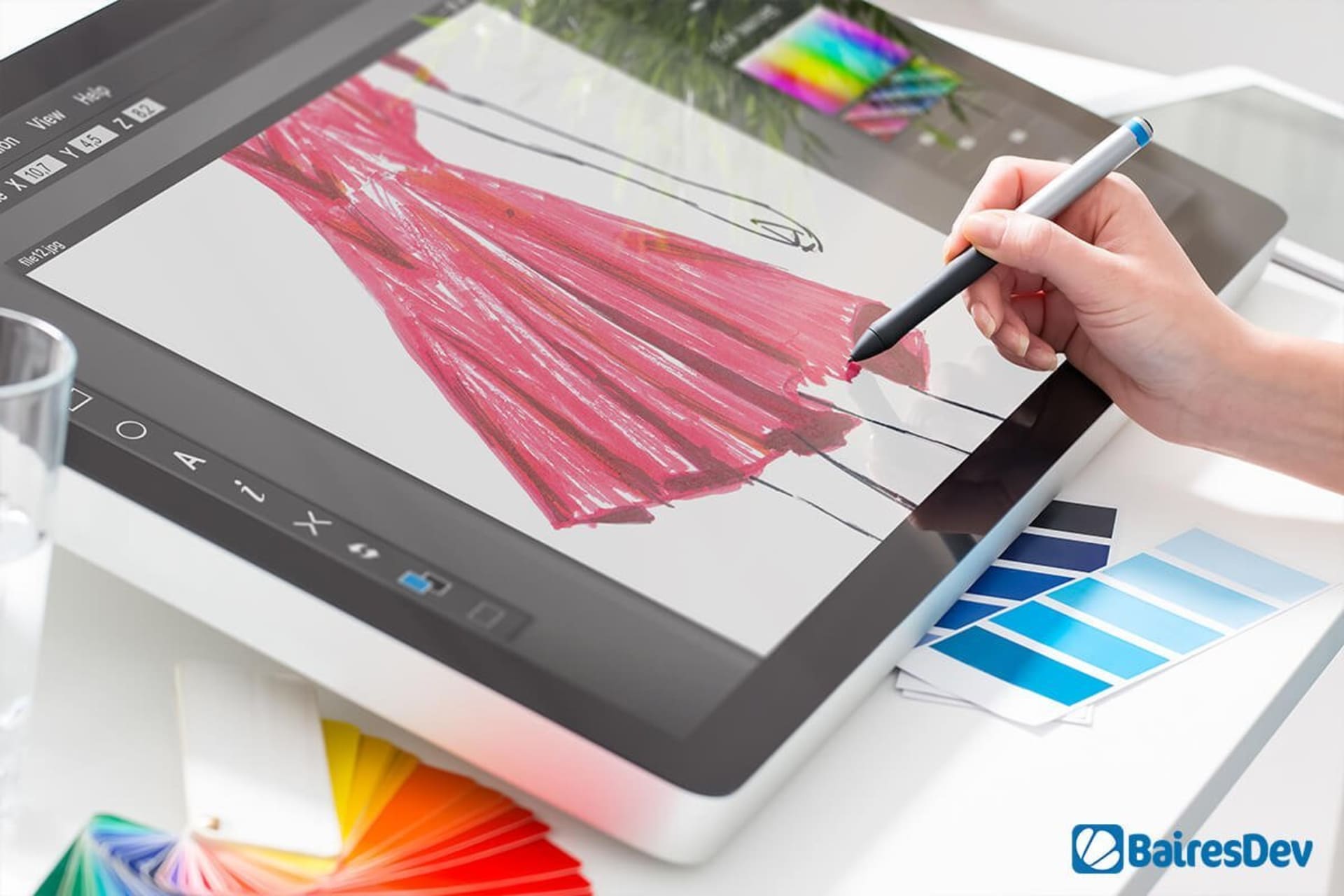
How Wearable Tech is Redefining Fashion Trends
The intersection of technology and fashion has never been more pronounced, with wearable tech redefining fashion trends in various compelling ways. From smartwatches that double as fashion accessories to clothing embedded with sensors, these innovations are transforming how consumers engage with their personal style. Wearable technology not only adds functionality but also makes a bold fashion statement, appealing to tech-savvy consumers looking to stay trendy while enhancing their lifestyle. As fashion designers increasingly embrace this fusion, we can expect to see more collections featuring tech-infused garments that reflect modern aesthetics while catering to practical needs.
Moreover, the commitment to sustainability in both fashion and technology sectors has led to the emergence of eco-friendly wearable tech items. Brands are now focusing on innovative materials and production methods that minimize environmental impact, allowing consumers to maintain style without compromising their values. In addition, the wearable tech market is expanding with trends like smart fabrics and augmented reality accessories, which enable personalized experiences at the touch of a button. This dynamic evolution signifies that the future of fashion is not just about what we wear, but also how technology can enhance our daily lives and self-expression.
Counter-Strike is a popular first-person shooter game that pits teams of terrorists against counter-terrorists in various game modes. Players can choose from a variety of weapons and maps to engage in strategic gameplay. For those looking for inspiration, check out the Top 10 Tech Gifts for Women that can enhance gaming experiences. Its competitive nature and tactical depth make it a staple in esports and gaming communities worldwide.
The Future of Fashion: Merging Style with Technology
As we step into a new era, the future of fashion is increasingly shaped by innovative technologies. Augmented reality (AR) and virtual reality (VR) are set to revolutionize the shopping experience, allowing customers to try on clothes virtually before making a purchase. This fusion of style and technology not only enhances consumer engagement but also reduces the likelihood of returns, making it a win-win situation for both retailers and shoppers. Moreover, artificial intelligence (AI) is transforming design processes, enabling designers to analyze trends and consumer preferences with unprecedented accuracy.
Another exciting advancement in the future of fashion is the rise of sustainable technology. Smart textiles and eco-friendly materials are gaining traction, promoting both style and sustainability. Innovations such as 3D printing allow for on-demand production, significantly minimizing waste in the fashion industry. As consumers become more environmentally conscious, brands that embrace these sustainable solutions will not only meet demand but will also lead the charge towards a more ethical fashion landscape. With these advancements, the collaboration between style and technology is set to redefine fashion for generations to come.
Can Smart Clothing Change the Way We Experience Fashion?
The advent of smart clothing has sparked intriguing discussions about its potential to transform our experience of fashion. By integrating technology into textiles, these garments are not just about aesthetics but also functionality. Imagine a shirt that can monitor your heart rate or pants that adjust their temperature according to your environment. This fusion of fashion and technology can elevate comfort, allowing consumers to interact with their clothing in unprecedented ways, thus redefining what it means to wear an outfit.
Moreover, smart clothing opens up new avenues for personal expression. With customizable features like color changes and patterns that respond to sensory inputs, individuals can wear pieces that truly reflect their mood and personality. This level of personalization goes beyond traditional fashion norms, making smart clothing a compelling choice for the modern consumer seeking individuality. As these innovations continue to develop, we may see a future where fashion is not just something we wear, but an integral part of how we communicate our identity.