Exploring the Role of Connectivity in Our Everyday Digital Interactions
In today's fast-paced world, the concept of connectivity has transformed the way we engage with each other and the digital landscape around us. Whether through social media platforms, messaging applications, or video calls, our daily interactions are increasingly molded by the seamless integration of technology into our lives. The nuances of these interactions reveal how crucial connectivity is, not only as a means of communication but also as a facilitator of collaboration and the exchange of ideas. This evolution raises important questions about our reliance on digital tools and their impact on interpersonal relationships.
Moreover, the role of connectivity extends beyond mere communication; it influences our access to information and resources. The ability to instantly share knowledge and experiences broadens our horizons and fosters informed decisions. Connectivity has also given rise to communities that transcend geographical boundaries, enabling individuals to connect over common interests and challenges. As we explore these dynamics, it becomes increasingly apparent that our everyday digital interactions are not just reflections of our social fabric but are also pivotal in reshaping it.
Counter-Strike is a highly popular tactical first-person shooter game that has evolved significantly since its initial release in 1999. Players engage in team-based gameplay, primarily involving terrorists and counter-terrorists, with gameplay revolving around bomb defusal and hostage rescue missions. If you want to enhance your gaming experience, consider checking out the Top 10 MacBook Air accessories that can improve your setup, providing better performance and comfort during intense matches.
How Connectivity Shapes the Future of Communication and Collaboration
The advent of advanced connectivity technologies has transformed the way we communicate and collaborate. With the rise of high-speed internet and cloud-based platforms, individuals and organizations can now engage in real-time interactions, transcending geographical barriers. This increased connectivity fosters a culture of innovation and creativity, allowing teams to share ideas and resources seamlessly. According to a recent study, businesses that leverage modern communication tools experience a 30% boost in productivity due to the enhanced ability to connect and collaborate effectively.
As we look towards the future, the role of connectivity will only become more pivotal. Emerging technologies like 5G and the Internet of Things (IoT) are set to revolutionize communication by enabling even faster and more reliable connections. This shift will not only support existing collaboration frameworks but also pave the way for new paradigms of interaction, such as virtual reality meetings and AI-driven communication tools. Ultimately, the future of communication and collaboration hinges on our ability to harness these technological advancements to create more engaging and productive environments.
What Are the Key Technologies Powering Our Digital Connectivity?
The backbone of our digital connectivity is powered by several key technologies that facilitate communication and data transfer across vast networks. Among these, the internet protocol (IP) is essential, as it defines how data packets are transmitted over the internet. Additionally, innovations in broadband technologies, such as fiber optics and 5G networks, have significantly improved speed and reliability, enabling seamless streaming, online gaming, and remote work. The integration of cloud computing also plays a critical role, allowing users to access, store, and manage data from anywhere in the world with an internet connection.
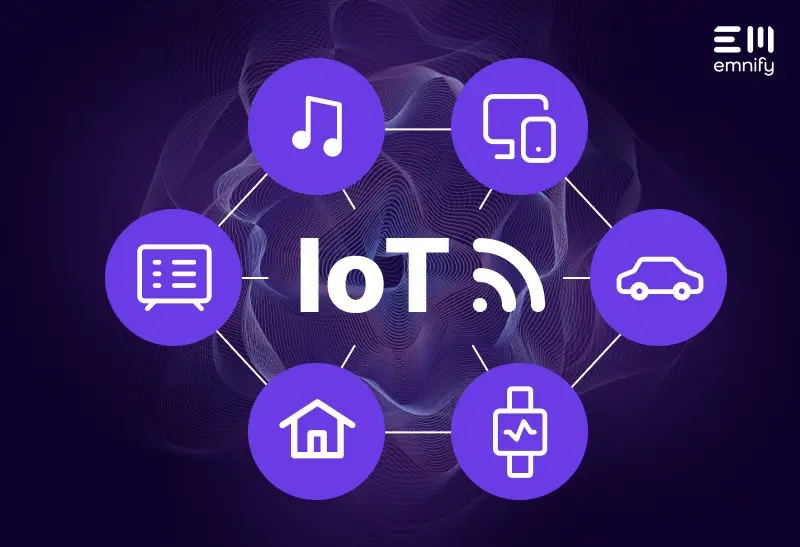
Furthermore, emerging technologies like the Internet of Things (IoT) are reshaping our digital landscape, connecting everyday devices to the internet for enhanced functionality and automation. With IoT, not only can users monitor and control devices remotely, but smart cities can arise, leveraging data to improve urban living. Similarly, artificial intelligence (AI) is increasingly being used to optimize network performance and assist in data security, ensuring a safer and more efficient digital experience. As we continue to advance, these technologies will further enhance our connectivity and redefine how we interact with the digital world.