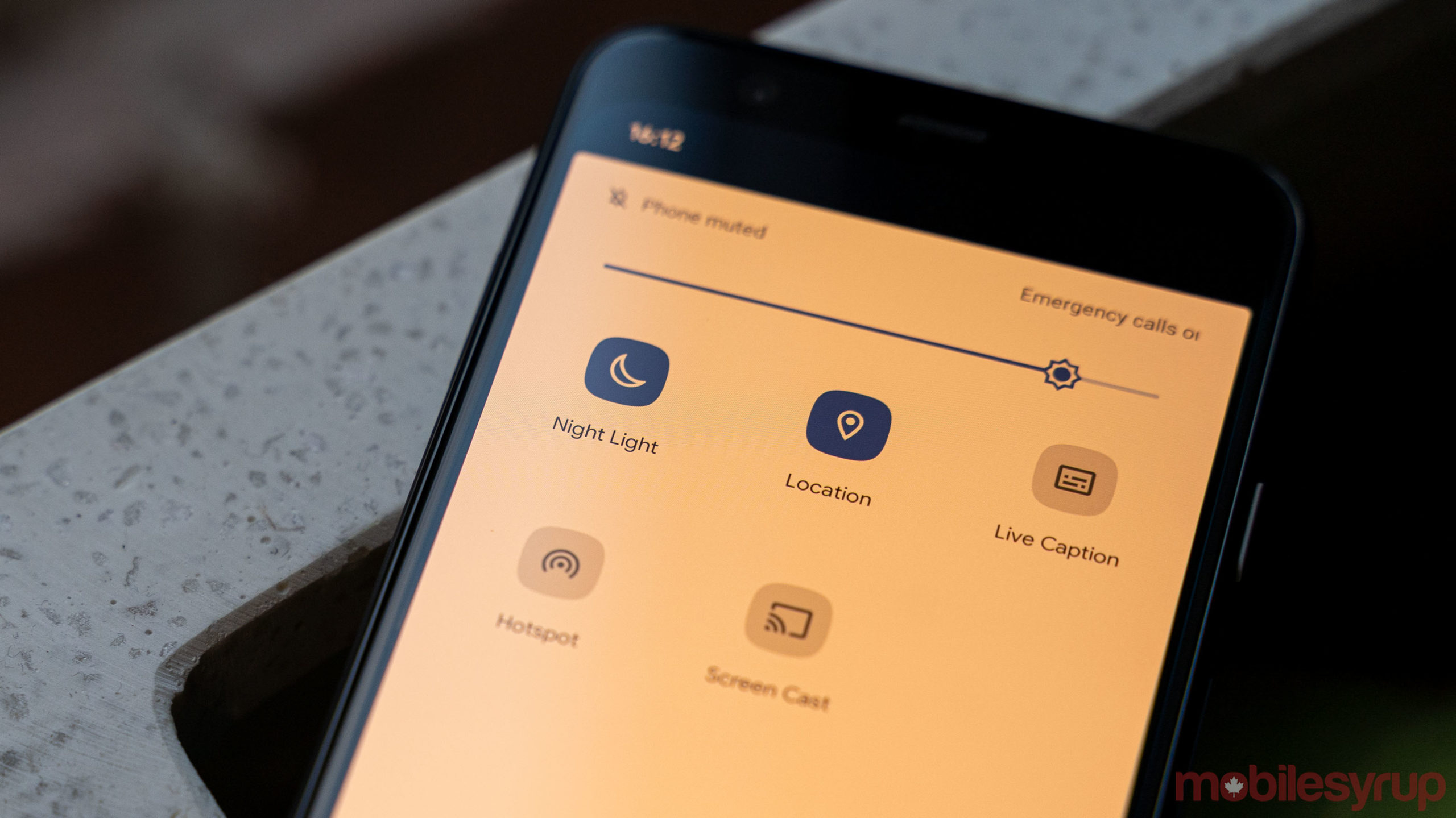
Understanding Blue Light: What It Is and How It Affects Your Eyes
Blue light is a high-energy visible light that falls within the 380 to 500 nanometer range of the electromagnetic spectrum. It is emitted by both natural sources, such as the sun, and artificial sources, including digital screens like smartphones, tablets, and computers. Understanding how blue light impacts your eyes is crucial in our increasingly digital world, as excessive exposure can lead to a range of issues. For instance, it can cause digital eye strain, symptoms of which include dryness, irritation, and difficulty focusing, as well as disrupting sleep patterns due to its influence on melatonin production.
To minimize the effects of blue light on your eyes, consider implementing a few simple strategies. Adopting the 20-20-20 rule is an effective approach: every 20 minutes, take a 20-second break and look at something 20 feet away. Additionally, using anti-reflective screen filters or blue light blocking glasses can significantly reduce the amount of blue light exposure. By understanding and mitigating blue light exposure, you can protect your eye health and improve your overall well-being in this digital age.
Counter-Strike is a multiplayer first-person shooter game that has gained immense popularity since its release. Players are divided into two teams, terrorists and counter-terrorists, each with specific objectives aimed at either planting or defusing a bomb. As players engage in intense battles, it's important to consider their eye health; for this reason, you might want to explore the Top 10 Phone Accessories for Eye Strain to enhance your gaming experience while reducing fatigue.
Top 5 Benefits of Using a Blue Light Filter for Digital Eye Strain
In today's digital age, many of us spend hours staring at screens, which can lead to digital eye strain. One effective solution to mitigate this issue is using a blue light filter. This technology helps to block harmful blue light emitted from devices like smartphones, tablets, and computers. By doing so, it enhances visual comfort and can significantly reduce symptoms associated with digital eye strain such as dryness, irritation, and fatigue. The benefits of incorporating a blue light filter into your daily routine cannot be overstated.
Another major advantage of utilizing a blue light filter is its potential to improve sleep quality. Exposure to blue light, particularly in the evening, can disrupt the body's natural sleep-wake cycle by inhibiting the production of melatonin, the hormone responsible for sleep. By using a blue light filter, you can minimize this disruption, making it easier to fall asleep and enjoy a more restful night. Additionally, people experience less eye strain during prolonged screen usage, allowing them to stay productive without the discomfort associated with long hours in front of digital displays.
Do You Really Need a Blue Light Filter? Common Questions Answered
As we spend more time in front of screens, the question of whether you really need a blue light filter has become increasingly relevant. Blue light emitted from devices such as smartphones, tablets, and computers can lead to digital eye strain, disrupting sleep patterns and potentially causing long-term damage to your eyes. Many experts suggest that using a blue light filter can help alleviate some of these concerns, making it easier for you to focus on your work and enjoy a restful night's sleep.
However, it's essential to understand that while blue light filters can provide some benefits, they are not a cure-all. If you're experiencing significant eye strain or disrupted sleep, it's a good idea to consult with an eye care professional. Additionally, incorporating practices such as the 20-20-20 rule—looking at something 20 feet away for 20 seconds every 20 minutes—can also help reduce the effects of prolonged screen exposure. Ultimately, the decision to use a blue light filter should be based on your individual circumstances and comfort.